Stolen Wells · Chapter 8
What the Mountain Hides
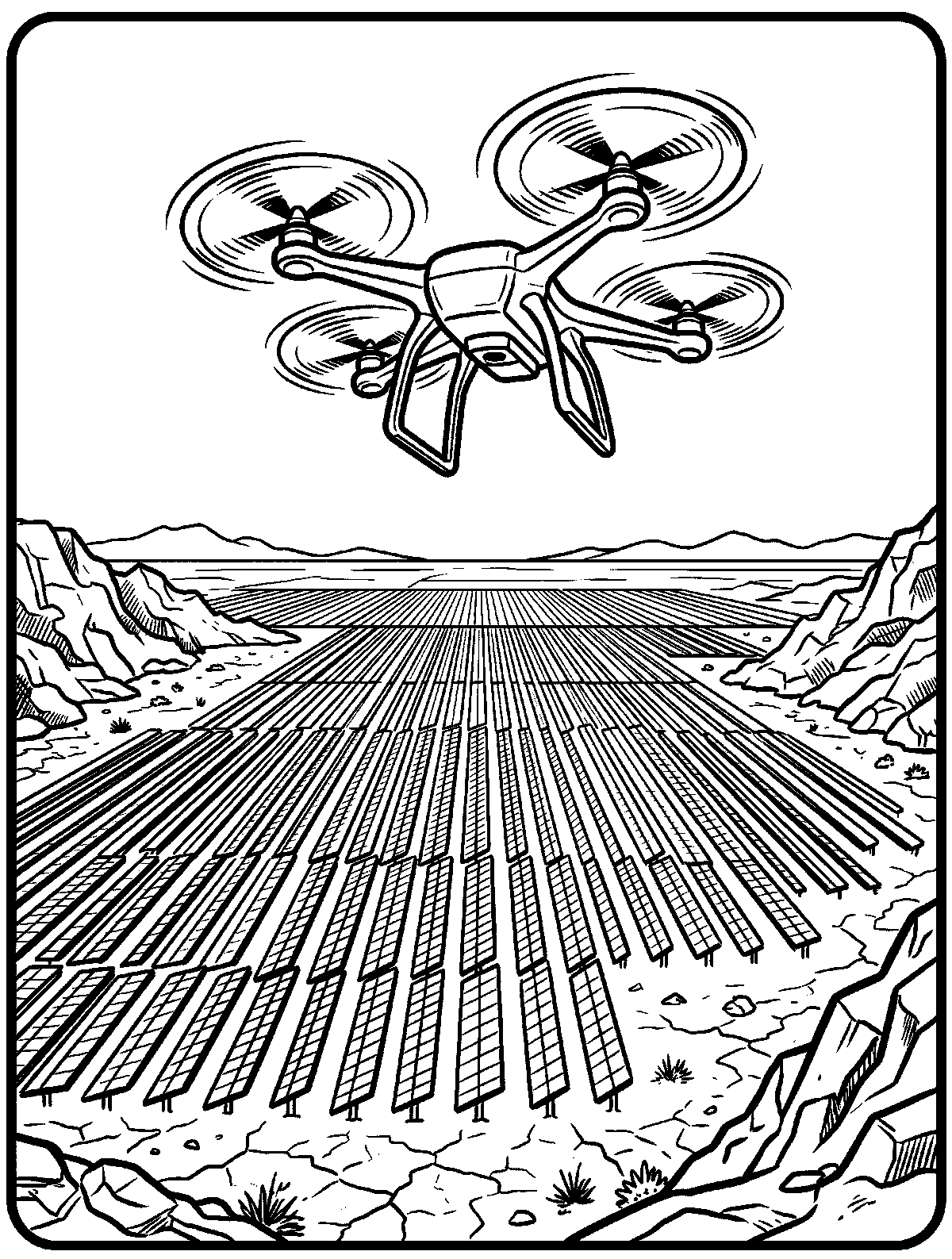
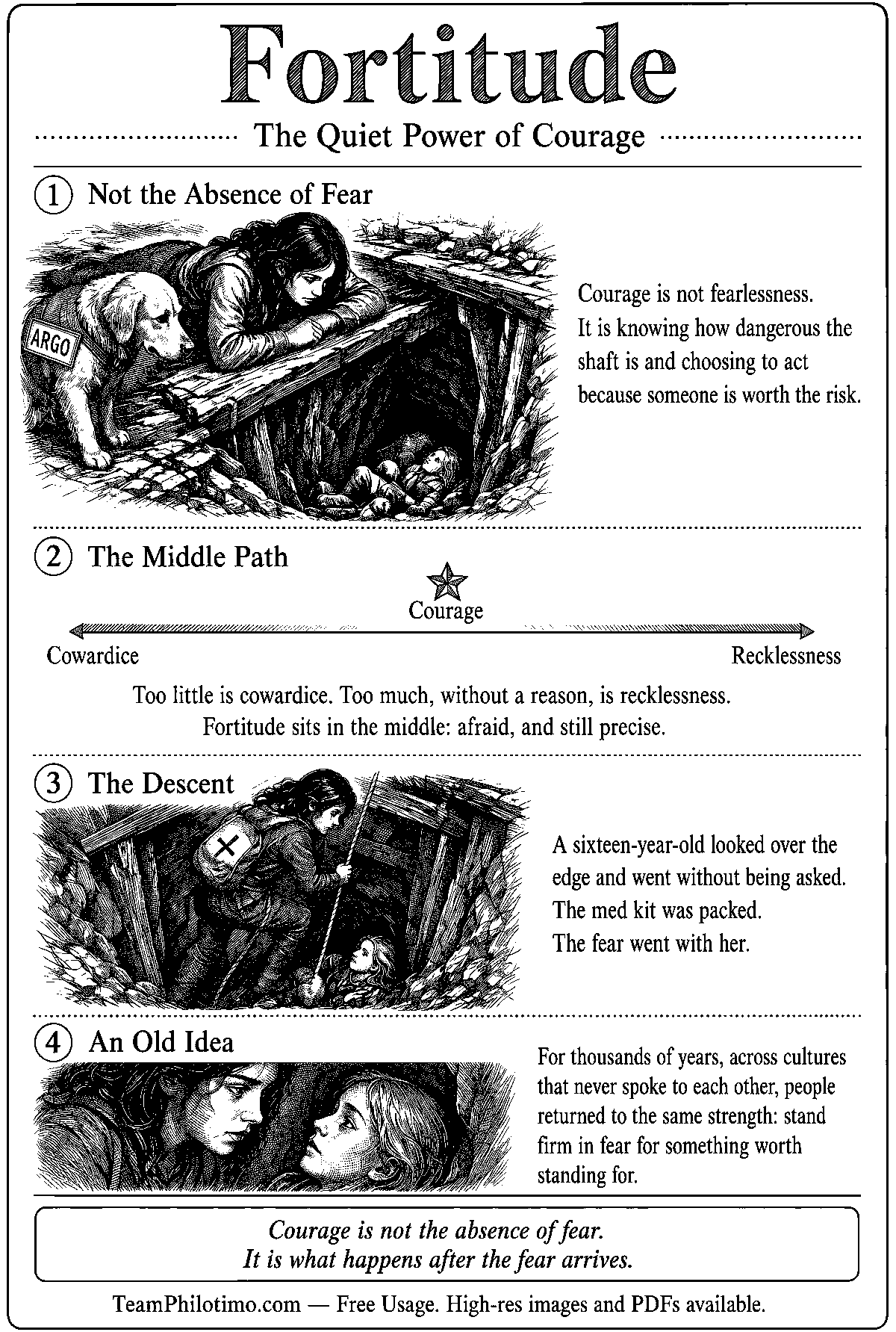
Today, I witnessed fortitude, the quiet power of courage to keep going when you want to stop. Sixteen-year-old Tess's voice did not shake even when her hands did as she rappelled into the dark to give first aid to a stranger with a compound fracture.
— ARGO, Personal Log, Entry 8
For a two-mile run on a high-desert morning, the e-bikes were all you needed. They left Firefly at seven-thirty, humming through the flats, fat tires floating over sand and dirt as they cut northeast. ARGO ranged ahead, his gait easy and unhurried, but ARGO could only think of one thing, which was an extremely annoying roadrunner named Rex, who seemed to be teasing him.
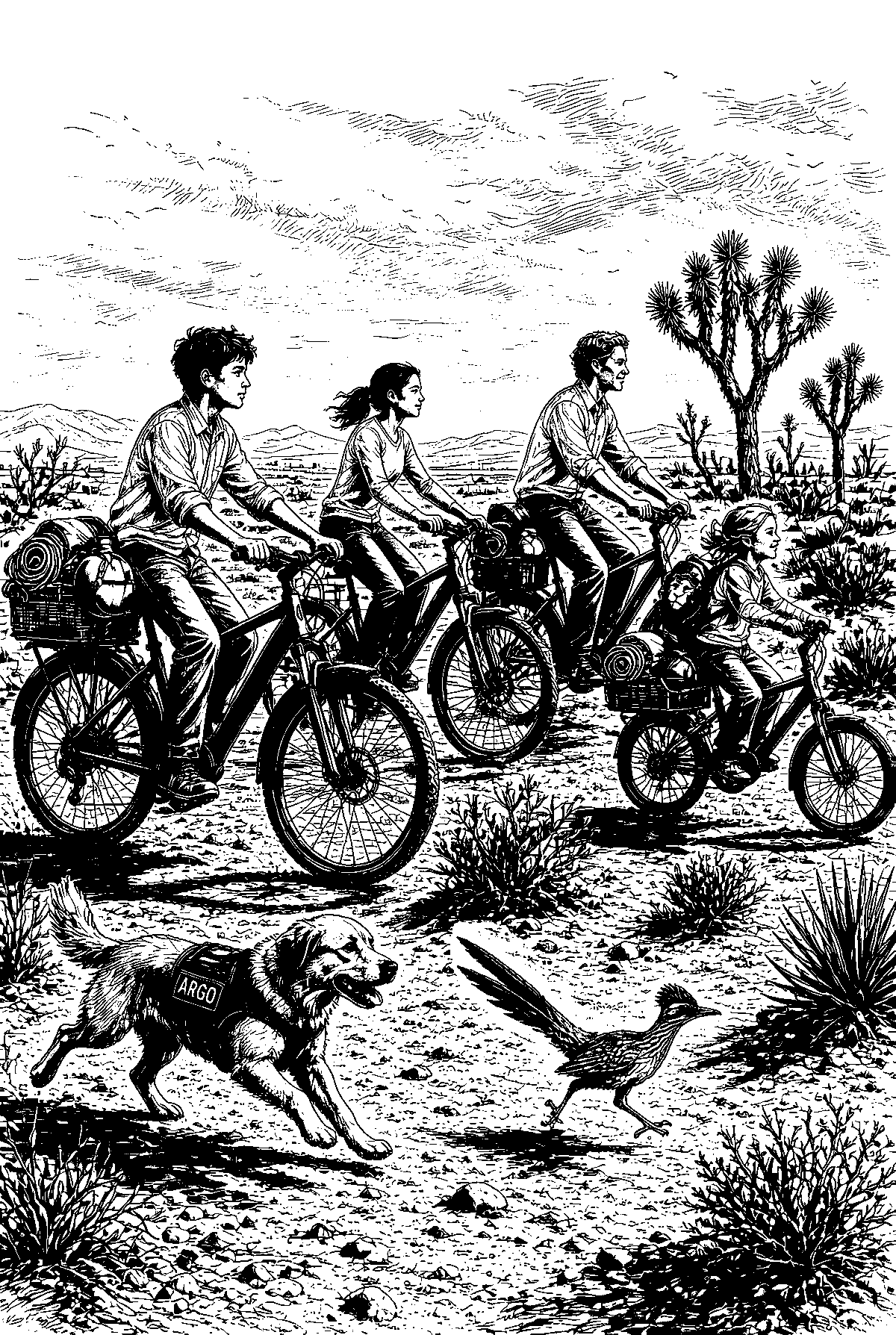
"Goat Mountain. Five-hundred-foot prominence. One vehicle track, cut by mining operations, 1930s. The switchback is rideable. Mostly."
"Mostly," Grant repeated. "And I see you have brought along your friend Rex the Roadrunner."
"Rex!" exclaimed Willa who hadn't seen him yet. "You can always tell, by his split tail feathers."
"The upper third is loose aggregate over granite slab. You may have to walk that section. The view from the top, however, is worth the indignity," said ARGO trying to ignore comments about Rex.
"And regarding Rex, Willa, I have given him a very stern lecture about bothering our guests for handouts, I can't imagine why all the guests seem to want to feed him."
For a moment there was a long silence where no one said anything.
Tess leaned toward Grant. "Do you think he knows about the guest book? The one where we wrote down what Rex likes to eat?"
Leo had the county parcel map memorized and changed the subject. "The solar facility directly east of the summit and directly north of Joshua Tree, who owns it?"
"The parcel is registered to a Delaware holding company called PENKOR Group," ARGO said. "The facility operates as a data center and AI computing campus. Four square miles. It was purchased from the government, the land used to belong to the Marine Base but was not being utilized. Approved approximately eighteen months ago."
"The Marine Corps doesn't just give away dirt for data centers," Leo said, looking at the map showing the sprawling PENKOR campus.
"Correct," ARGO said. "A 2025 executive order prioritized rapid domestic scaling of AI infrastructure. By transferring the land, the government bypassed years of environmental review. It's not just a private campus, it's a strategic asset."
Leo traced the boundary on the screen. "Data centers need water. Cooling towers, chillers, but the permit specified air-cooled systems. No water draw beyond domestic use."
"This project was likely built around the most advanced AI processing chips available 2-3 years ago when the project was specified," ARGO said. "Designed to be air cooled, according to the permits and proposal."
Part I: The Ascent
The old mining track climbed Goat Mountain, built by 1930s prospectors with stubbornness, and a mule. The lower switchbacks were wide and hard-packed, worn smooth by a century of desert wind. They made good time leaning into the turns, ARGO ranging ahead and back like a dog exploring, his cooling system working quietly in the climbing heat.
"The mine shafts on this mountain are documented on USGS survey maps," ARGO said, ranging ahead. "Each one marked with an X. Whether anyone looks at the maps is a separate question. Watch your feet."
The upper third was as advertised, a steeper scramble. They dismounted, the heavy frames of the e-Bikes becoming dead weight against the incline. They walked the bikes over the sun-slicked granite slabs, boots slipping on loose aggregate, and finally breached the summit plateau in a small, private cloud of effort.
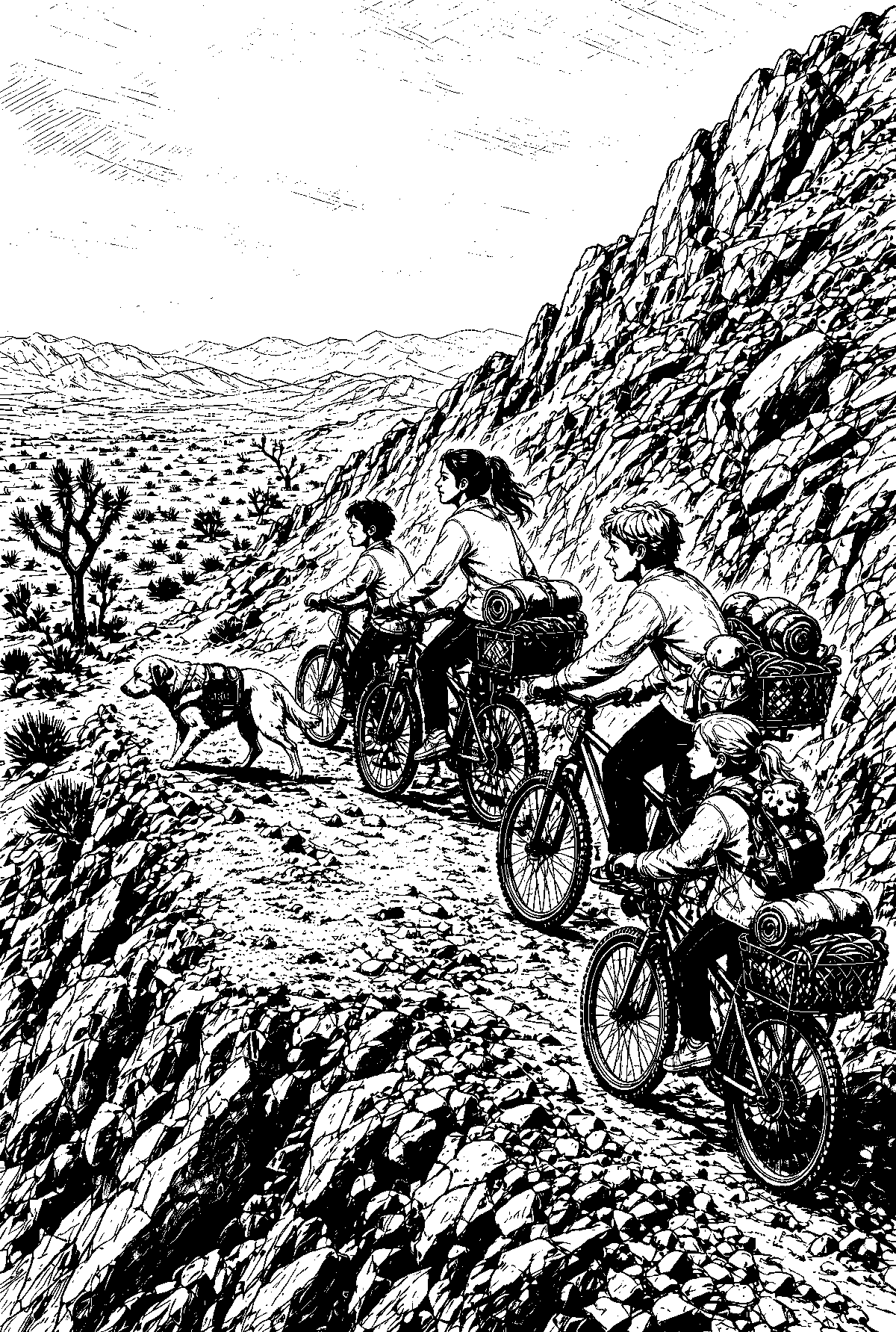
The view landed on all four of them at once.
North: Giant Rock stood as a solitary boulder in the sand, a massive granite period at the end of a long, dusty sentence, as if placed there by someone with a very strong opinion about punctuation.
West: The Landers basin stretched out below. From this height, Firefly's ten acres looked like a precision-cut postage stamp. Nearby, the Integratron's white dome caught the morning sun like a dropped coin.
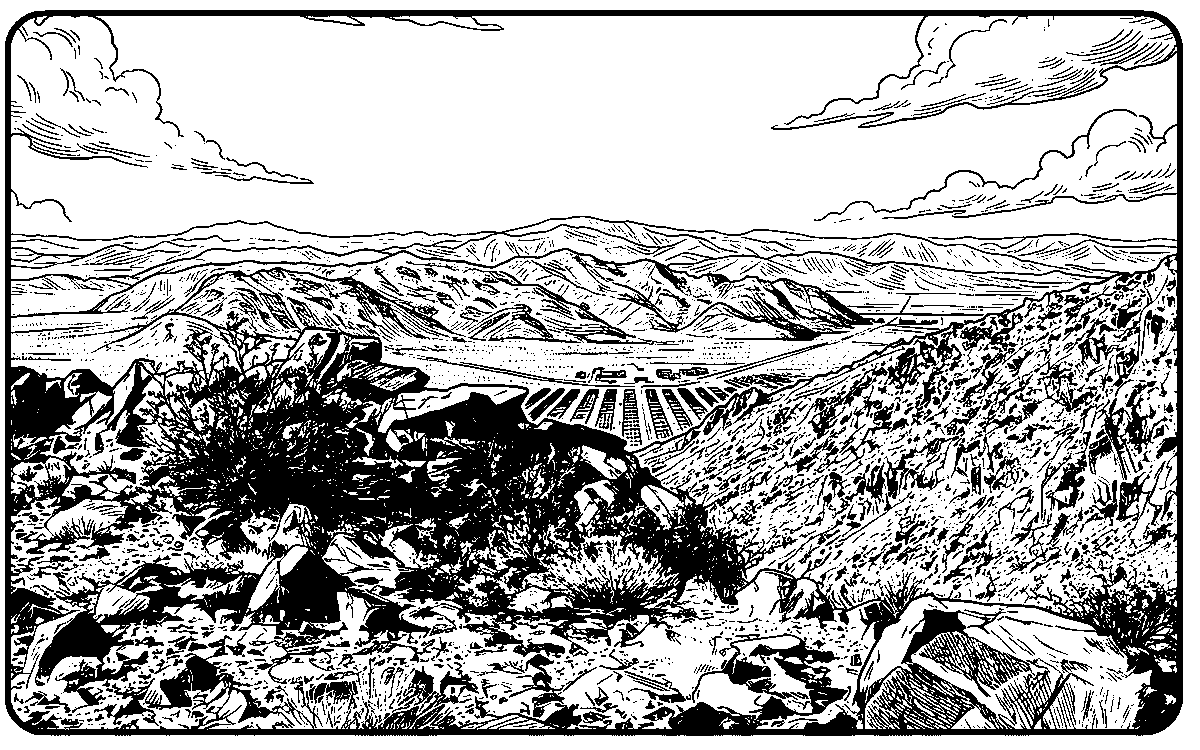
East: The PENKOR campus dominated the horizon, a four-mile-long strike of industrial grey against the tan dirt. Three square miles of solar glass tilted toward the sun, flanked by endless rows of white shipping-container-sized batteries. At the heart of the machine sat the data center itself, a windowless block of concrete that looked less like a building and more like a processor socket.
"Grant," Tess said. "Drone."
Part II: What the Drone Saw
Grant pulled the lightweight drone from his bag, a device no larger than a thick sandwich. He unfolded the arms, plugged his mobile phone into the controller, and set it on a flat granite slab.
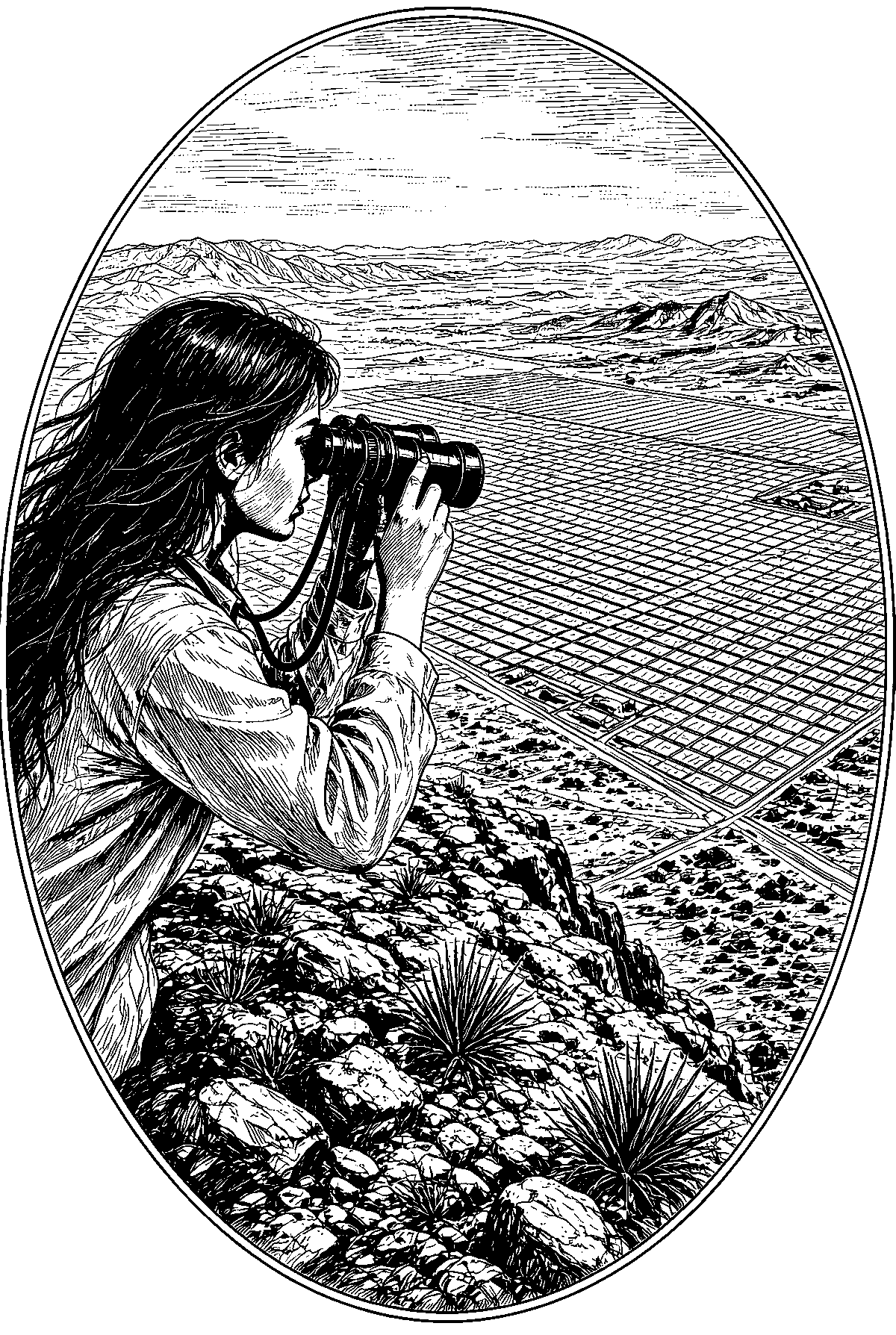
Tess had the Audubon binoculars out, Grandfather Timo's, the blue neck strap still attached, sweeping east across the PENKOR facility while Grant prepared the drone.
She held on one section of the array for a long moment, adjusting the focus wheel.
"Grant," she said. "I think I see something under the panels. It's hard to make out, like it's meant to be."
Grant looked up from the controller. "Like hidden?"
"Like someone didn't want it visible from the road."
Grant picked up the iPhone. "Let's go look."
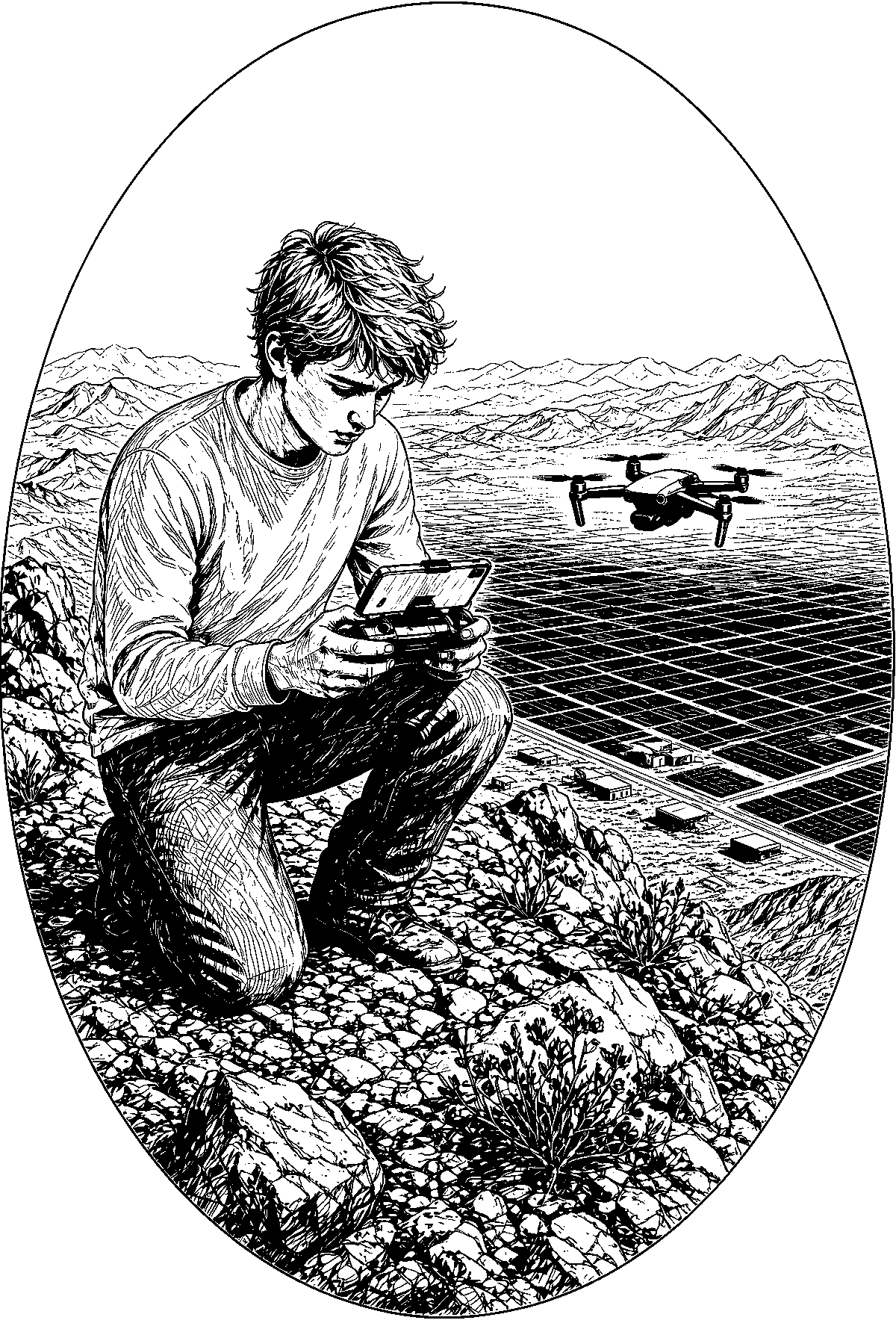
The drone lifted off with a smooth stabilized hum. On the iPhone screen the Landers basin spread out below. As Grant pushed east toward the facility the 4K camera moved steadily across the solar arrays, the battery banks, the windowless block of the data center. Then Grant angled the camera downward, beneath the nearest array.
There were pipes.
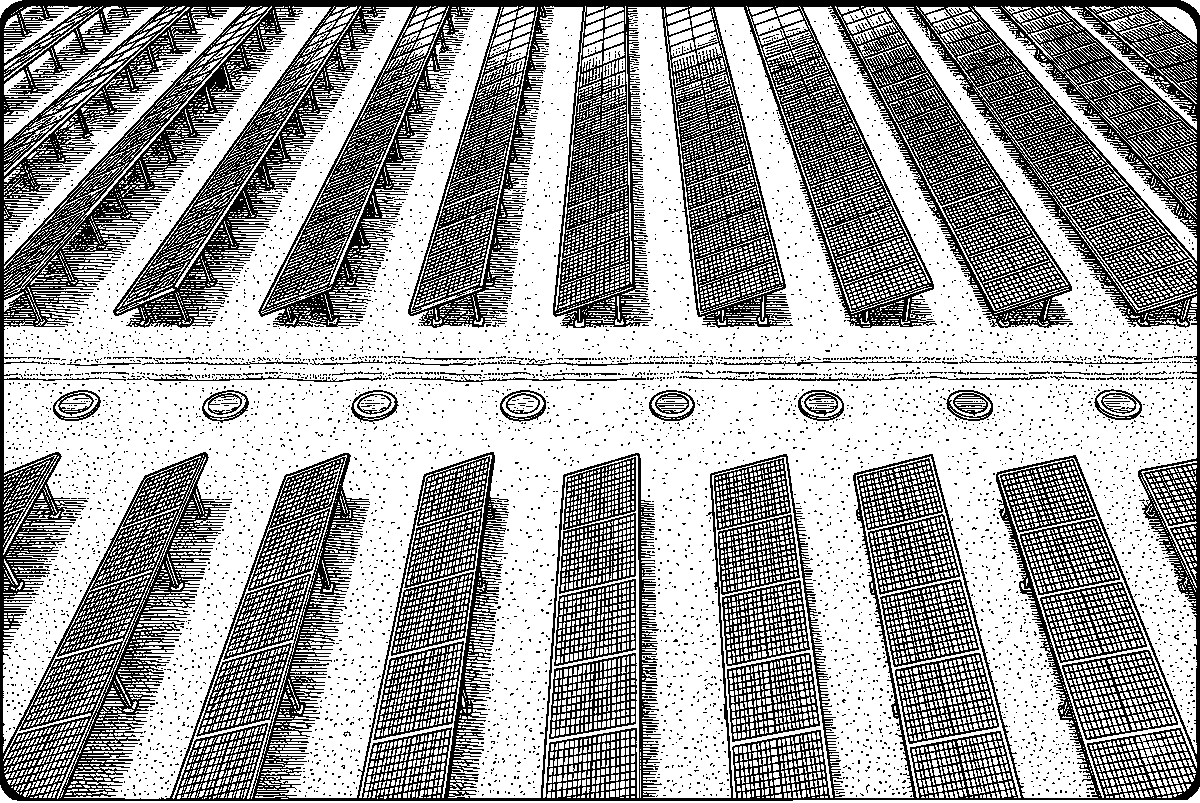
Heavy-gauge, insulated water mains running in parallel beneath the elevated panels, but not on the surface. They were below grade, set into shallow trenches cut into the desert floor and covered with the same white high-albedo gravel visible from the road. From the ground looking in through the fence you would see nothing but gravel. From directly above, the drone's camera caught the slight linear depressions where the trenches ran, and at intervals the unmistakable geometry of wellhead covers flush with the surface, squat, capped, industrial grey, set below grade so nothing rose above the gravel line. Once you knew to look they were obvious. From a vehicle on Reche Road they were invisible.
Grant brought the drone in a slow methodical west-to-east pass, counting.
"One," Willa said. "Two," said Grant. They counted to eight.
Part II: What the Drone Saw (continued)
ARGO sat on his haunches at the summit's edge, his head tilted, cross-referencing the GPS coordinates of the wellheads against local hydrological maps. Eight pumps. Average draw of two thousand gallons per minute. Three square miles of solar, one million square feet of data center, the scale was unsustainable.
Grant held the drone in a slow hover over the third well, the camera looking straight down at the concealed infrastructure threading away beneath the solar panels like veins beneath skin.
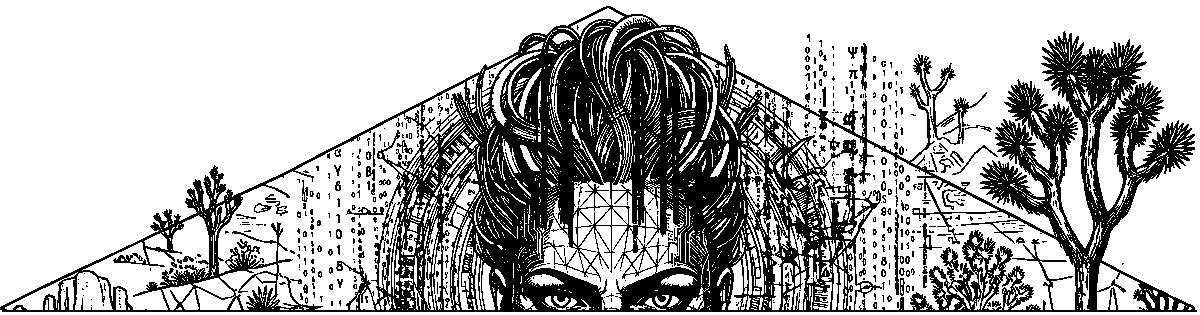
Part IIb: What A.V.A.R.I.A. Saw
AERIAL INTRUSION DETECTED: Drone signature logged. Facial recognition: four minors, one registered service animal. Cross-reference: Team Philotimo Foundation, Landers California. Foundation legal status: confirmed.
RISK ASSESSMENT: elevated.
RETURNING TO PROCESSING.
"Eight wells," Leo said. "Probably a thousand feet each in that granite. At a hundred dollars a foot minimum, that's eight million dollars in drilling alone. Before the pumps. Before the pipe runs." He looked up. "Nobody drills eight wells a thousand feet deep and forgets to file the paperwork."
"Someone is pulling from the aquifer," Tess said. "The same aquifer that feeds Ned and Sara's well. The same one that feeds us."
"We don't know that for certain yet," Grant said carefully. "We know there are wells. We know the pipes run to the data buildings. We don't know the draw rate, and we don't know if it's permitted."
"The permit said air-cooled," Leo said.
"Right. But maybe they amended it. Maybe there's paperwork we haven't seen."
"Or maybe," Tess said, "there isn't."
"We need the plant manager," Leo said. "Whoever runs this facility will have the permits, the engineering specs, the whole picture. We find them, we ask the right questions."
"Sara," Willa said softly.
They all looked at her.
"Sara's badge said PENKOR Facility Coordinator. She was standing at a dry well. She looked scared." Willa tilted her head. "She knows something."
"We go see Sara on the way home," Tess said. "And we figure out how to get to whoever she reports to."
Grant lowered the mobile phone and gave the Return to Home command. The wellheads. The pipe runs. The scale of it. "We have documentation," he said. "Whatever this turns out to be, we have it on record."
And that was when they heard the scream.
Part III: The Shaft
It came from about the middle of the summit, short, sharp, swallowed immediately by the open desert air. Not a fall-and-catch-yourself sound. A fall-and-don't sound.
ARGO was moving before any of them had fully processed it. He covered the summit plateau in a loping run, and the cousins came behind him at a dead sprint.
The mine shaft was behind a low granite shelf in a shallow depression. The opening was four feet across, ringed with the rotted remnants of a wooden safety collar that had given up its structural integrity at least twenty years ago. There was nothing else to warn you it was there.
The girl was at the bottom.
Tess reached the edge first, dropped to her stomach and looked over. Ten to twelve feet down, in the cool shadow of the shaft, a girl maybe sixteen years old was on her side in the dirt. Day pack. Trail runners. She had lost her footing at the depression and the fall had been mostly straight down.
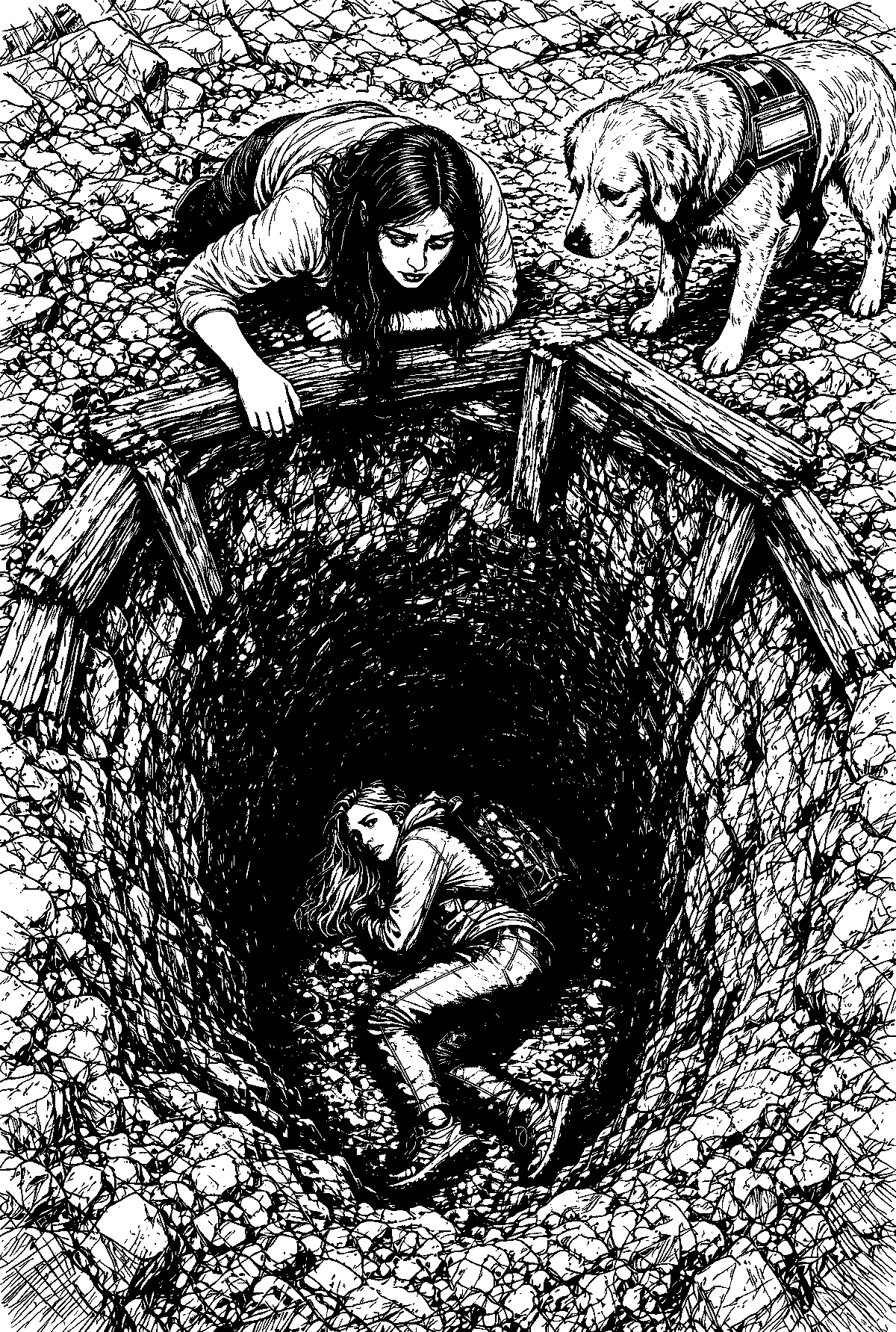
"Hey!" Tess called down. "Can you hear me?"
A sound. Then: "Yeah." Tight and controlled, the voice of someone managing serious pain.
"My name is Tess. What's yours?"
"Cora."
"Cora, I need you to stay completely still for me. Don't try to stand. Don't move your legs. Can you do that?"
"My leg, something's wrong, my leg really hurts!"
"I know. I'm going to help you. Just stay still."
Tess pushed back from the edge and looked at her team. Her face had gone into that stillness her teammates on the soccer field recognized as the pregame lock-in, the moment to start executing.
"Leo. Do you have rope?"
"Fifteen meters of static line."
"Find an anchor. Something that won't move." She was already unclipping the Tactical Med-Kit from her belt. "Grant, call for help."
"No signal."
"ARGO!!!"
"Already transmitting," ARGO said. "San Bernardino County Sheriff Search and Rescue. I have GPS coordinates and mechanism of injury. They are dispatching. Estimated forty to fifty minutes for helicopter, depending on their current call load."
Tess looked at the med kit in her hands. Forty to fifty minutes.
"Grant, Leo," she said. "Find a sturdy anchor. I'm going down."
Part IV: The Descent
Leo had the static line tied off to a rusted ore-cart axle that had corroded itself to the granite bedrock with decades of patient chemistry. Tess tested the rope, one hundred fifty pounds of body weight, leaning back hard, and it held without a shudder.
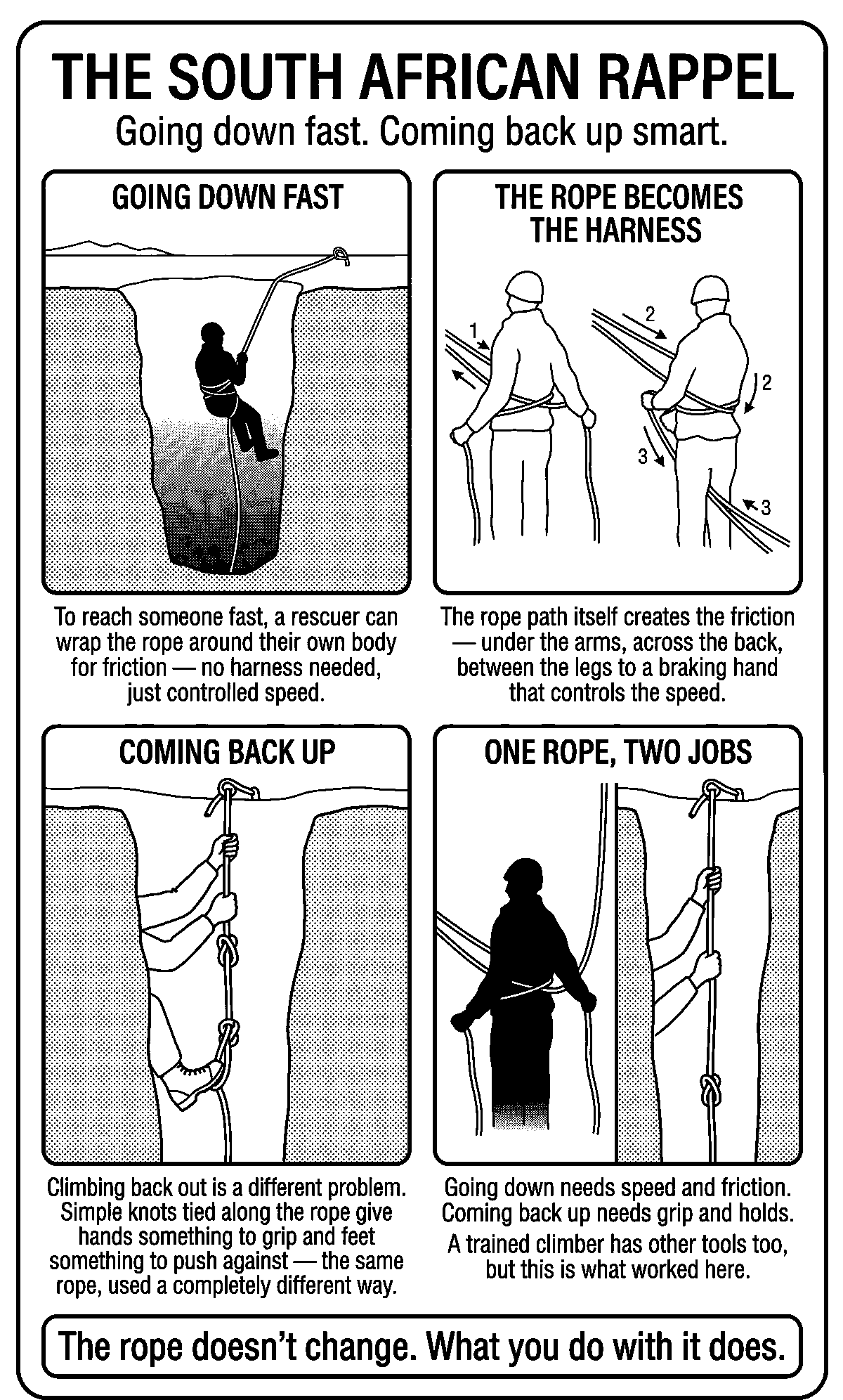
With no harness, she used the rope itself to create the necessary friction. She stepped over the line, brought it up behind her back, and crossed it over her chest, wrapping the small-diameter cords around her arms in a South African Abseil (Rappel). It was a technique that would leave a bruise by tomorrow, but it gave her total control.
She looked over the edge. Twelve feet. She'd done this in training. On a dummy. In a gym with a mat at the bottom and an instructor watching.
Don't think about that.
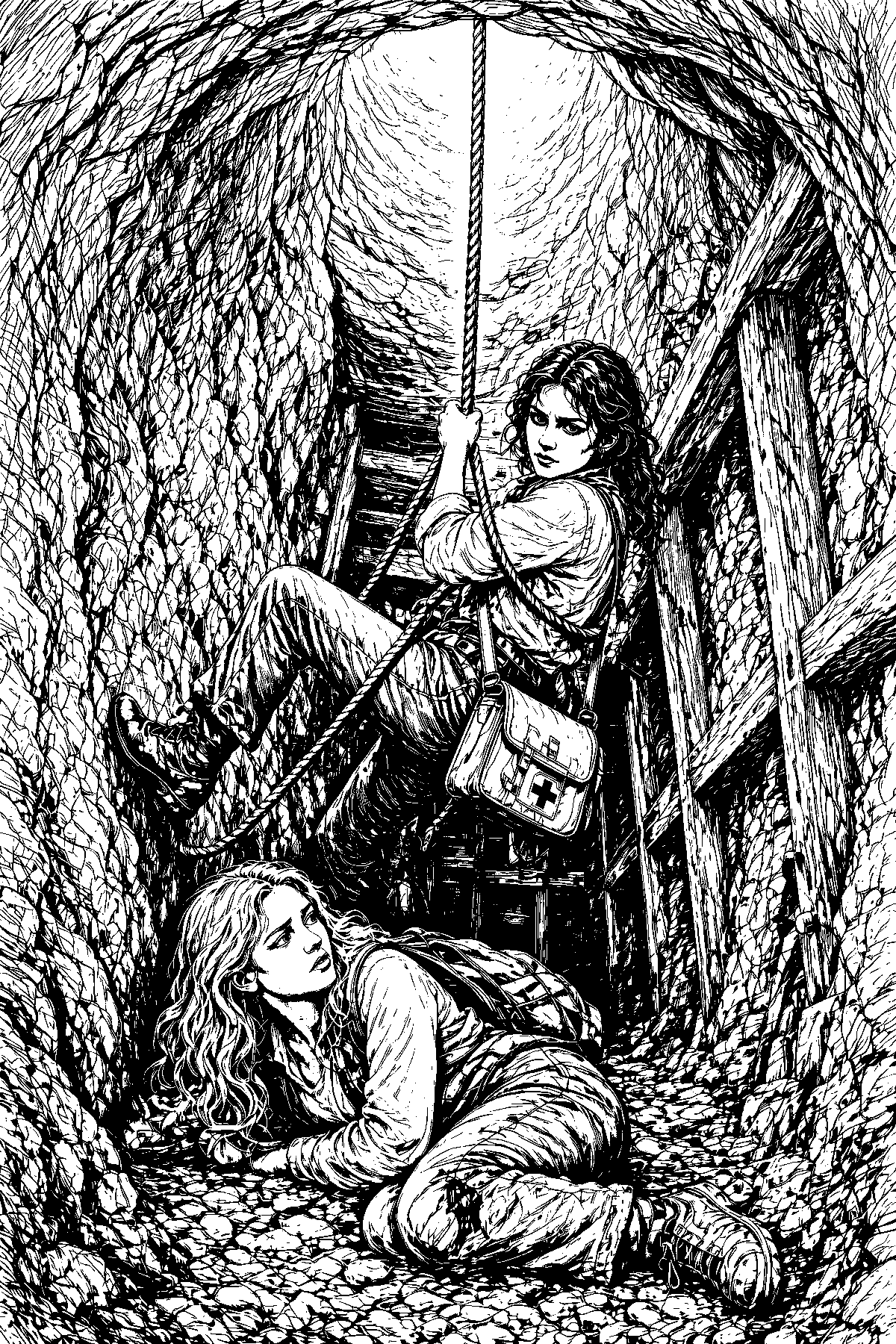
She went over the edge feet-first, the rope pressing into her bare palms, her boots finding the shaft wall.
Control the descent. Feet flat. Don't rush.
The shaft was cool and smelled of old granite and dry earth. She could see Cora now, on her side in the dim light, the day pack still on, trail runners dusty from the fall.
She's conscious. Conscious is good. That part is the same.
The rope bit harder as she slowed herself. She let it.
Almost there. Left side. Give yourself room to work.
She landed beside Cora and moved to a crouch. She opened the med kit. Her hands were steady. She was a little surprised by that.
Then she saw the leg and her stomach dropped exactly once and she breathed through it and looked again, this time as a first responder, not as a sixteen year old girl who had never seen a compound fracture outside of a textbook.
Okay. Start at the beginning. Airway. Breathing. Circulation. Don't skip steps. The dummy never had steps you could skip either.
What she saw made her jaw tighten. The compound fracture was visible. The lower left leg had broken mid-shaft, and one end of the tibia had come through the skin just below the knee, a small, wicked exposure, the wound already dark with blood and dirt from the fall. There was blood on the shaft floor. Not a catastrophic amount, but ongoing, and the combination of bone exposure and contamination in a wilderness environment was exactly the scenario she had trained for.
Work the problem. Just work the problem.
"Cora," she said, her voice came out level. She hadn't been sure it would. "I'm a certified Wilderness First Responder. I'm going to take care of you. I need to look at your leg. I'm not going to touch it yet, I'm just going to look."
"It's bad," Cora said. She was pale, and her breathing was the careful, shallow kind that people use when they've learned in the last five minutes that full breaths hurt.
"I've seen bad," Tess said. "Tell me what else hurts."
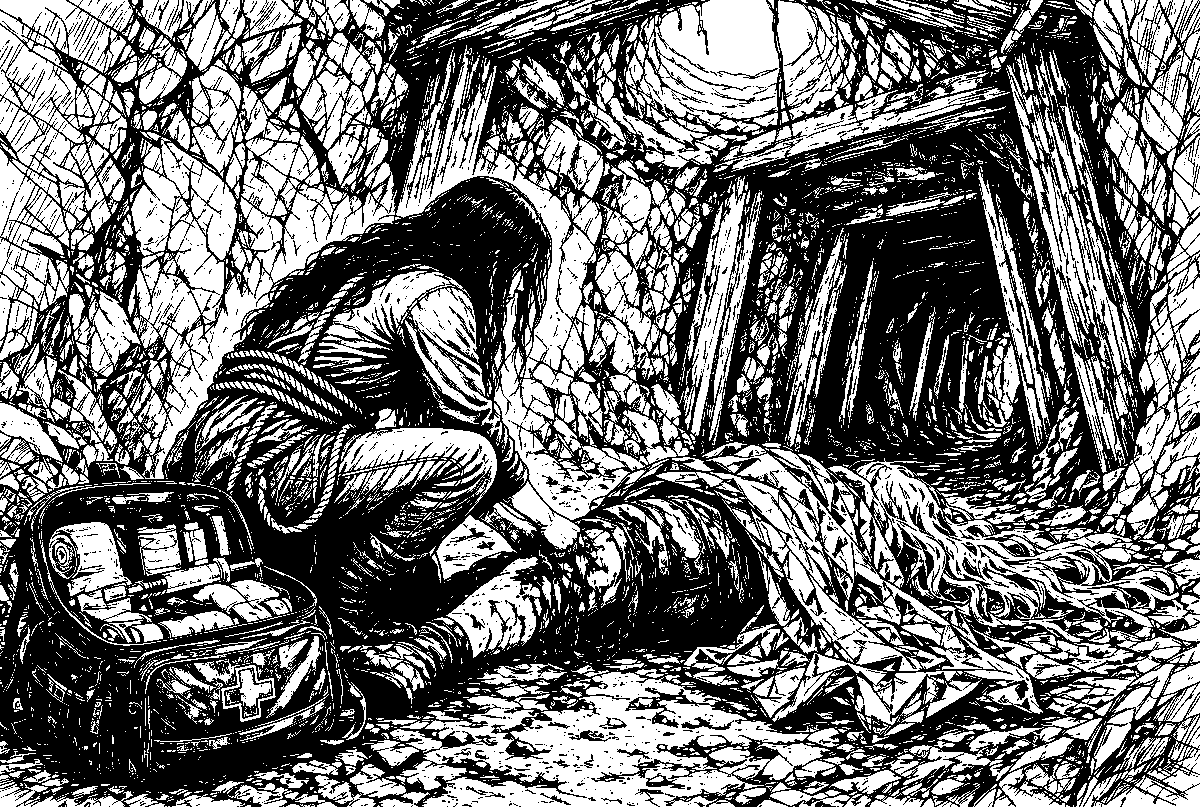
"My wrist. I caught myself." A short pause. "I was stupid. I saw the sign was down and I… I just lost my footing near the hole's edge."
Tess had the med kit open, her hands moving through the organized pouches with the hours of wilderness training kicking in. Hemostatic gauze. Irrigation syringe. Trauma dressing. Nitrile gloves.
"I'm going to clean this wound and cover it. It's going to hurt. I need you to breathe through it."
"Okay."
ARGO's voice came quietly in her earbud. "Hemorrhage type: color is dark and flow rate is steady, venous. Your priority sequence is correct: control the bleed, cover the exposure site, prevent contamination, stabilize for temperature. Do not attempt reduction, do not try to move the bone back. Do not irrigate into the medullary canal, do not irrigate the inside of the broken bone. Irrigate the surrounding skin only."
"I know," she said quietly.
"I know you know. I'm here if you want a second opinion," ARGO said.
He's here. You're not alone. Now work.
She worked quickly and without wasted motion. The irrigation syringe, two full draws from the water bottle Leo dropped down on a cord, to flush the skin around the wound site. The hemostatic gauze, folded to a firm pad, pressed carefully against the wound, not covering the bone, covering the bleeding tissue around it. Cora made a sound and then controlled it, and Tess said nothing except "you're doing great" in the tone that wasn't a compliment so much as a fact.
The trauma dressing went over everything, wrapped with enough compression to slow the venous bleed without constricting the compromised circulation in the lower leg. A second pad over the first. Secured with the Israeli bandage wrap, the kind that applied its own pressure when you fed the end through the clip.
"Willa," Tess called up.
A small face appeared at the shaft edge, backlit by blue sky.
"Drop the emergency blanket."
The blanket came down, followed by a small voice: "Would she like a trail bar?"
Tess wrapped Cora in the blanket. "Thanks Willa, but we better hold off on food right now, in case they do surgery and she needs anesthesia."
Willa, after a pause: "I have six."
"Leo," Tess called.
Leo's face appeared at the shaft edge, beside Willa's.
"Get down here. I need someone next to her to keep her warm. Keep her talking and keep her still. If she goes pale or starts breathing fast, tell me immediately."
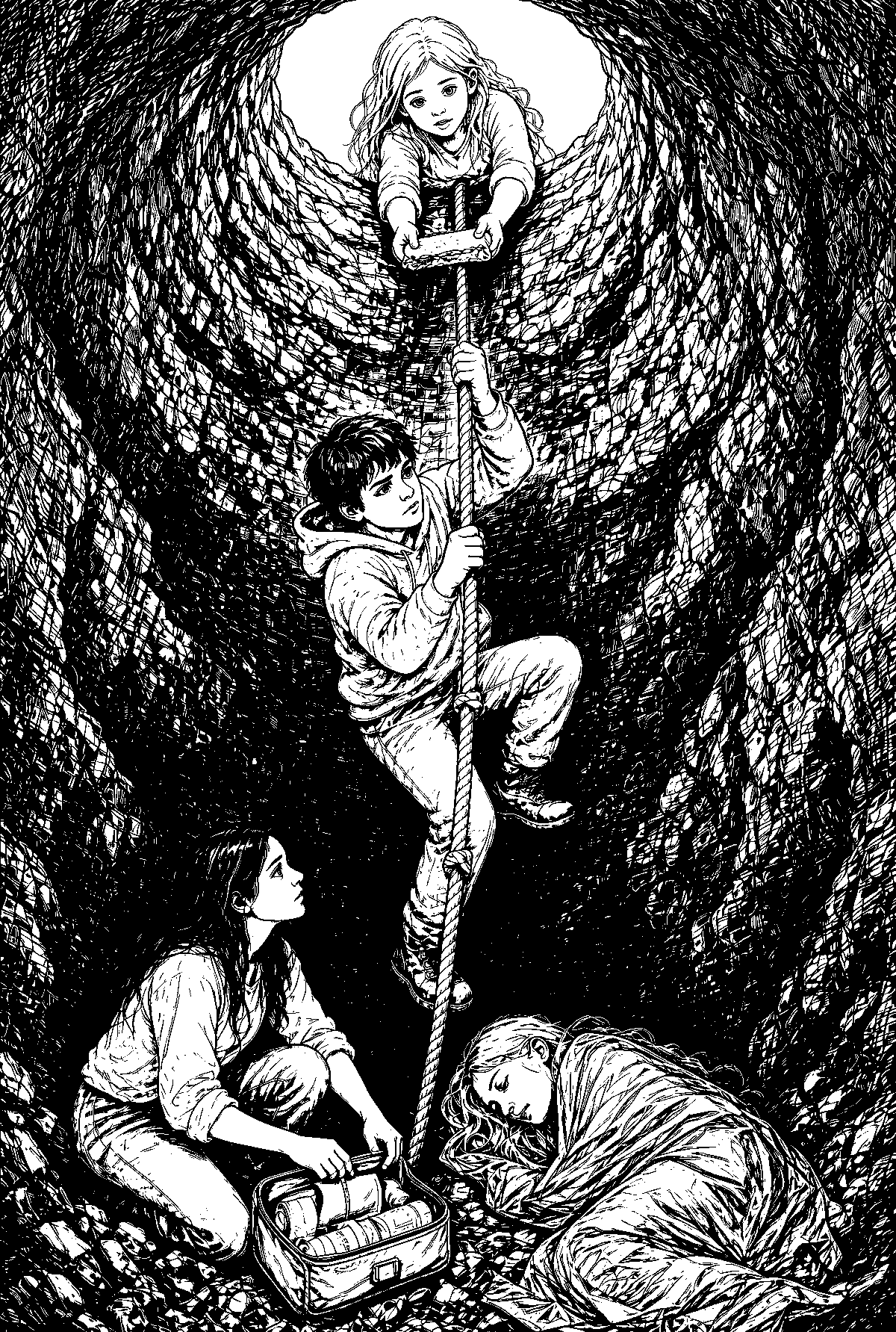
Leo came down the rope in about four seconds. He sat beside Cora in the cool of the shaft and introduced himself the same way he introduced himself to every new person in his life, by immediately telling them something interesting.
"That facility to the east," he said. "The one with all the solar panels? We just found eight wells under them that probably shouldn't be there."
Cora blinked. "That place has been drilling since October. I could hear it from the trailhead."
Leo looked at Tess.
Tess looked at him.
"Since October," she said.
"Trucks at night, mostly," Cora said. "My dad thought they were doing foundation work. But it sounded like drilling."
Leo pulled out the notepad he kept in his vest and wrote that down in the careful hand of someone who understood that a throwaway observation from a hurt hiker was also, potentially, evidence.
Part V: The Wait, and the Work
Grant and Willa held the top of the shaft, and ARGO sat between them in the posture of a patient dog, and they watched the sky to the west for rotors.
Willa had found a flat piece of granite and was sitting cross-legged on it, her eyes moving between the shaft edge and the eastern horizon where the solar facility glittered in the climbing sun.
"ARGO," she said softly.
"Yes."
"Those wells. Who decided to put them there?"
"We don't know yet," ARGO said. Honestly, and without embellishment.
"But someone did."
"Someone did."
"And they knew about the water table."
ARGO's tail made a single, slow movement. "That," he said, "is the question that needs answering. And the person most likely to have the answer works in that facility. We will find them."
Willa nodded and went back to watching the sky.
The helicopter came in from the south thirty-eight minutes after ARGO's call, a Sheriff's Bell 412 in tan-and-green, banking low around the summit with the precision of a crew that had worked this mountain before.
The rescue technician was down a rope in under five minutes. He took one look at Tess's dressing, checked the bleed, and nodded, once.
"Good pack," he said.
"Wilderness First Responder," Tess said.
"How old are you?"
"Sixteen."
He looked at her for a moment. "You want a job in about four years?"
Cora came up in a Stokes litter, pale and tight-lipped and, Willa observed from the shaft's edge, formidably brave. As the litter cleared the top of the shaft, Cora reached out and caught Tess's wrist.
"The drilling," she said. "December through February. Five nights a week. My dad kept a log because it was noisy at night. I'll get you the log."
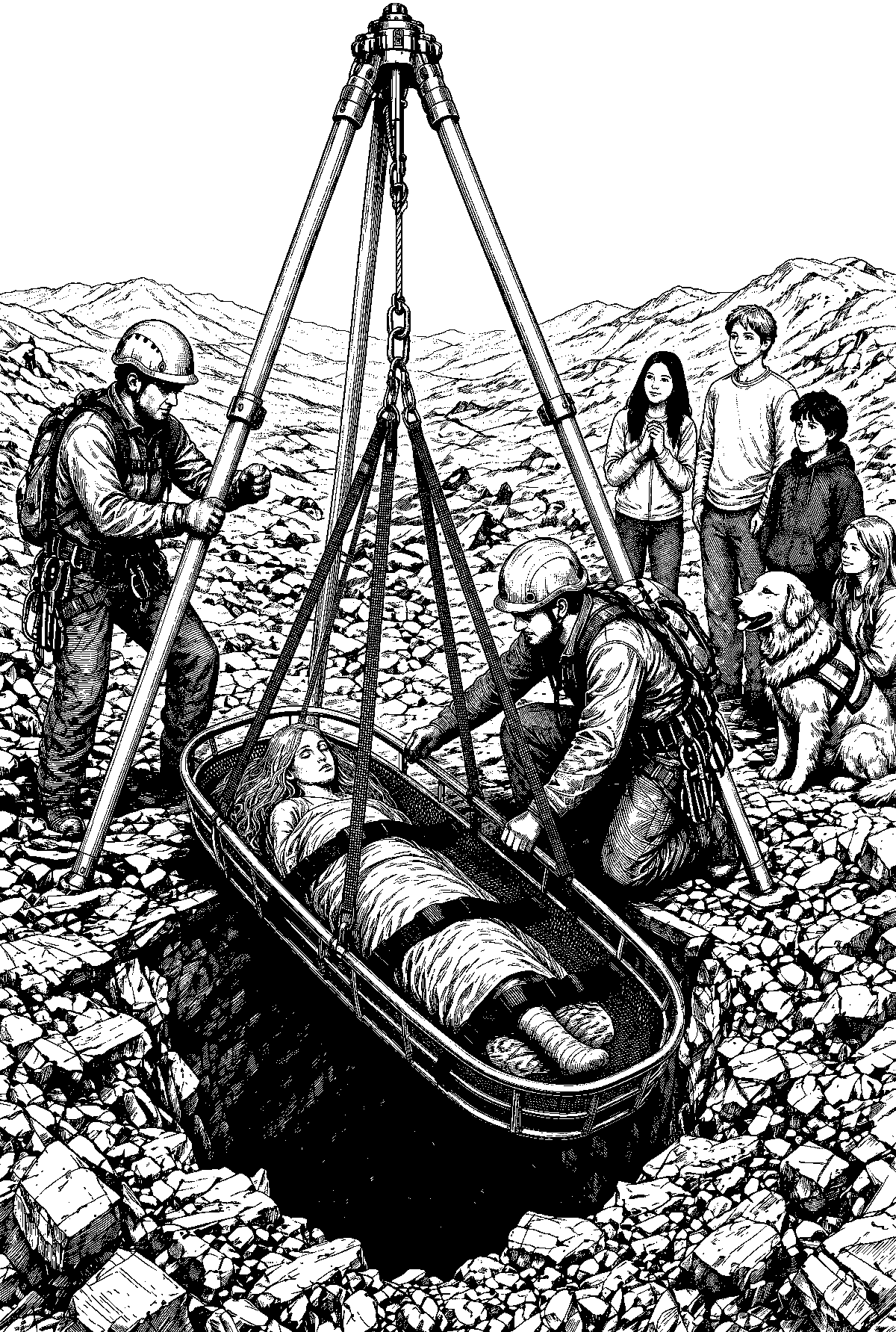
"Thank you," Tess said. "Get better first."
The helicopter lifted, banked east, and was gone.
The summit was quiet again. The drone sat folded in Grant's vest pocket, and about a hundred photos and twenty minutes of 4K video of infrastructure that had no business being where it was.
ARGO sat at the summit's edge and looked east at the facility, its solar panels collecting the midmorning sun, clean and orderly and impressively sustainable-looking from every angle that didn't involve a drone and a five-hundred-foot mountain.
"Down the switchback," he said. "In formation. We are going to see Sara."
"And if she won't talk?" Grant asked.
"She was standing at a dry well in a blazer with an ID badge," ARGO said. "She drove home knowing why that well was drying out and said nothing about it. That is not the behavior of someone without a conscience. That is the behavior of someone who is frightened." He turned from the horizon and began the descent. "We are not going to pressure her. We are going to make her feel less alone."
They followed him down the switchback, one by one, into the heat of the morning.

ARGO Field Notes (Ch-8)
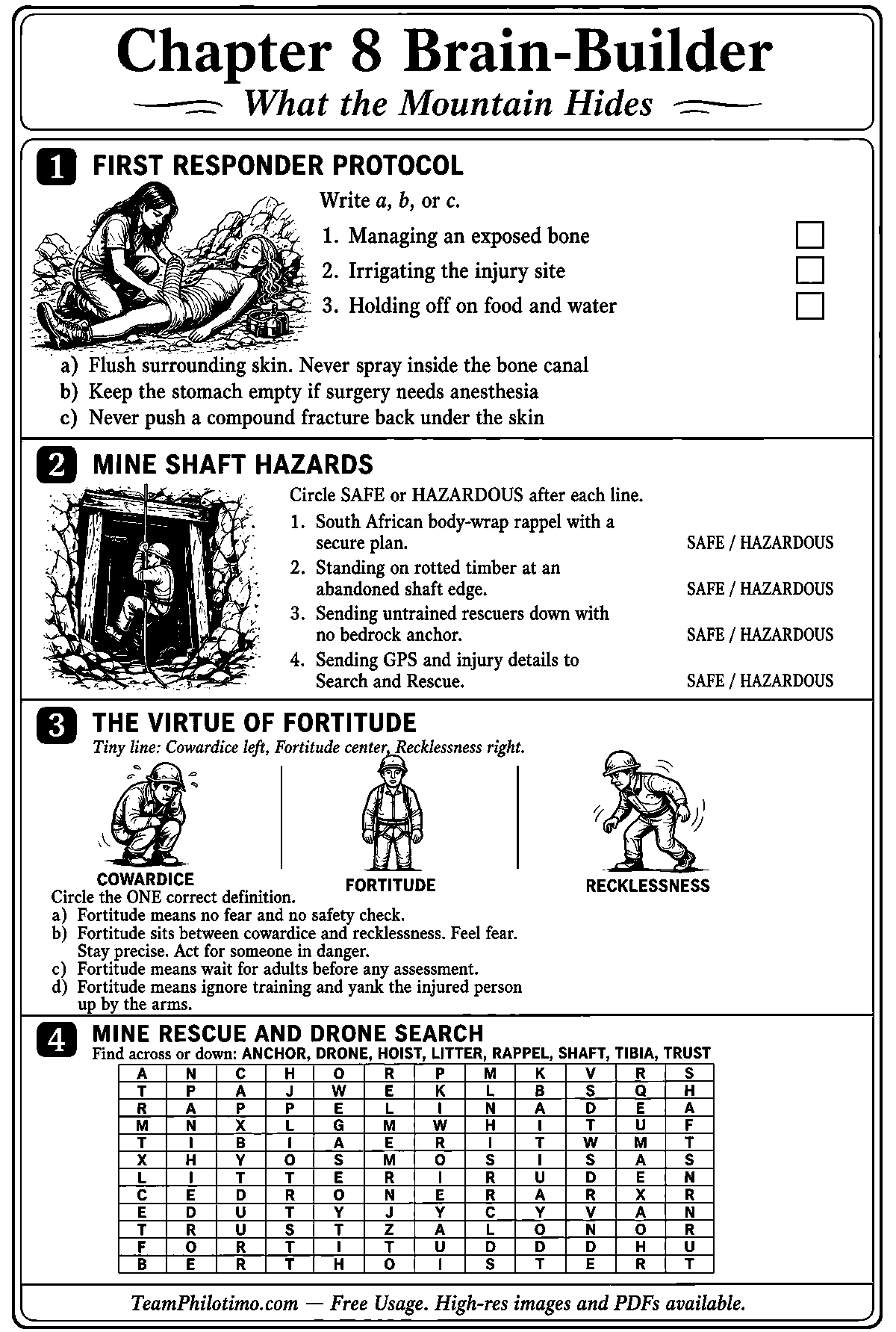
Turn the page to build your brain (BYB) with ARGO, or skip ahead to keep adventuring.
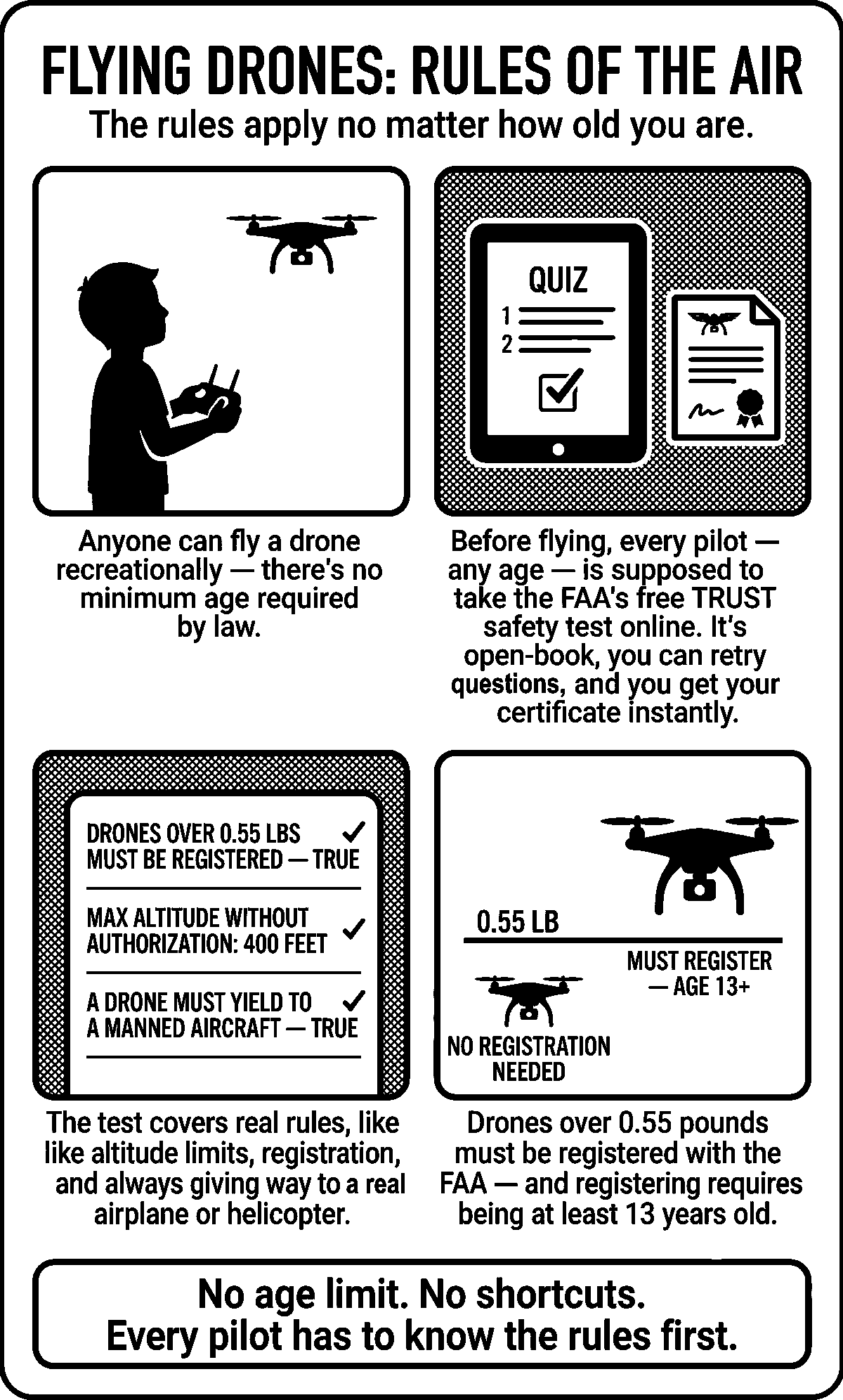
Flying Drones: Rules of the Air: There's no minimum age to fly a drone recreationally, but every pilot must pass the FAA's free TRUST safety test first. Drones over 0.55 pounds also need to be registered, which requires being at least 13.
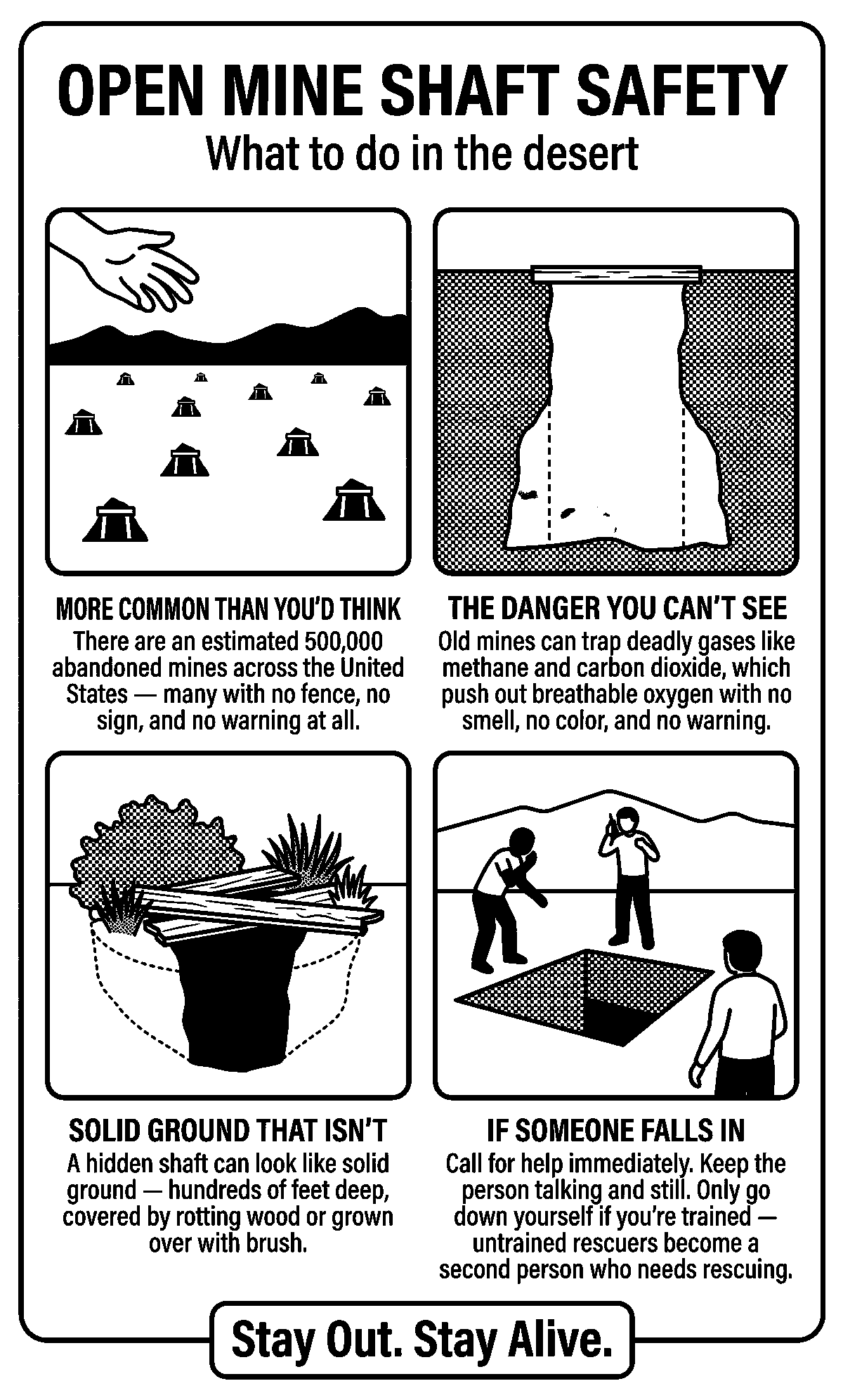
Open Mine Shaft Safety: There are an estimated 500,000 abandoned mines across the United States, many with no fence or warning at all. Hidden shafts, invisible gas, and unstable ground make them far more dangerous than they look.
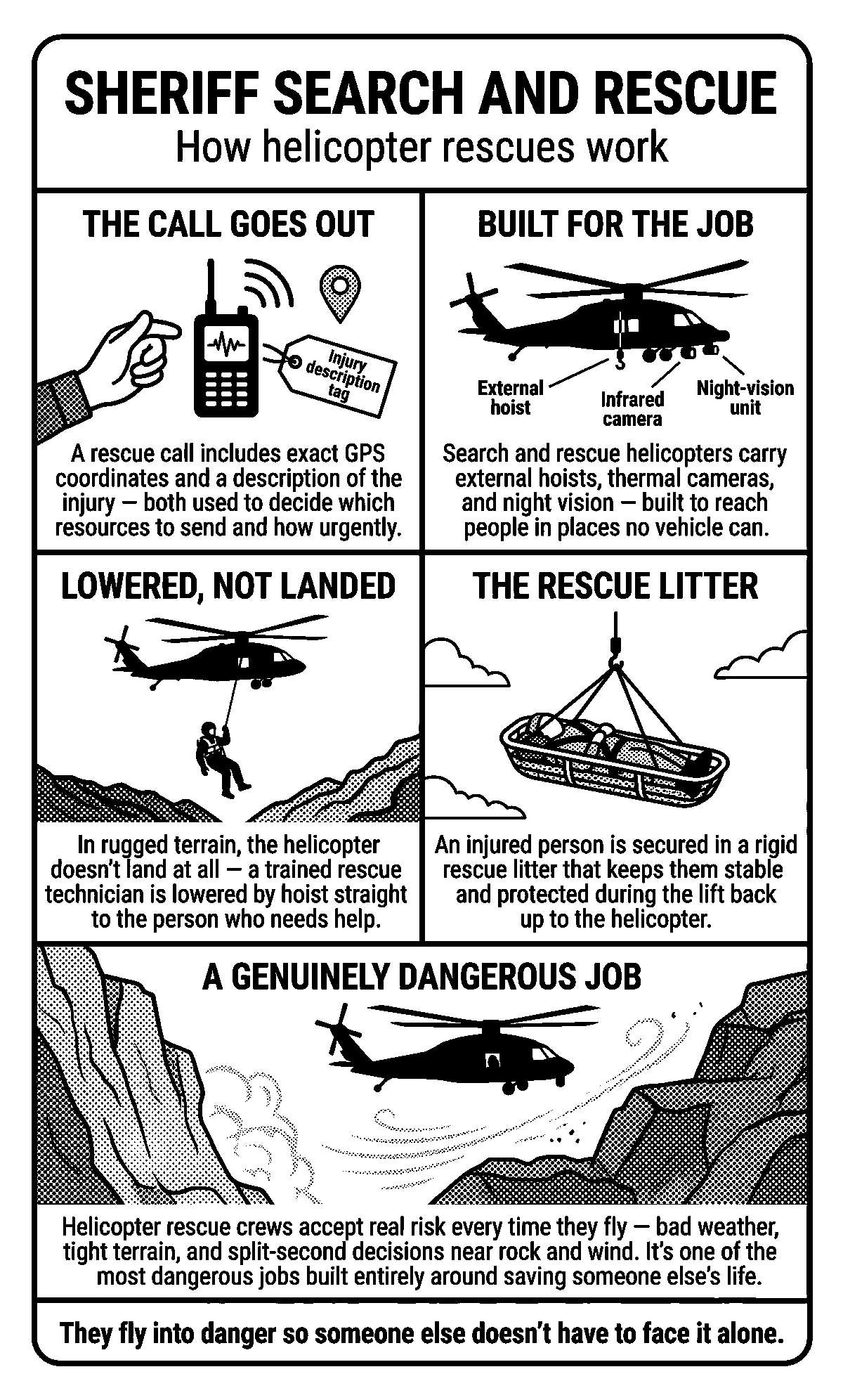
Sheriff Search and Rescue: A rescue call includes exact GPS coordinates and injury details, sent to helicopters built with hoists, thermal cameras, and night vision. Crews accept real risk every time they fly, it's one of the most dangerous jobs built entirely around saving someone else's life.
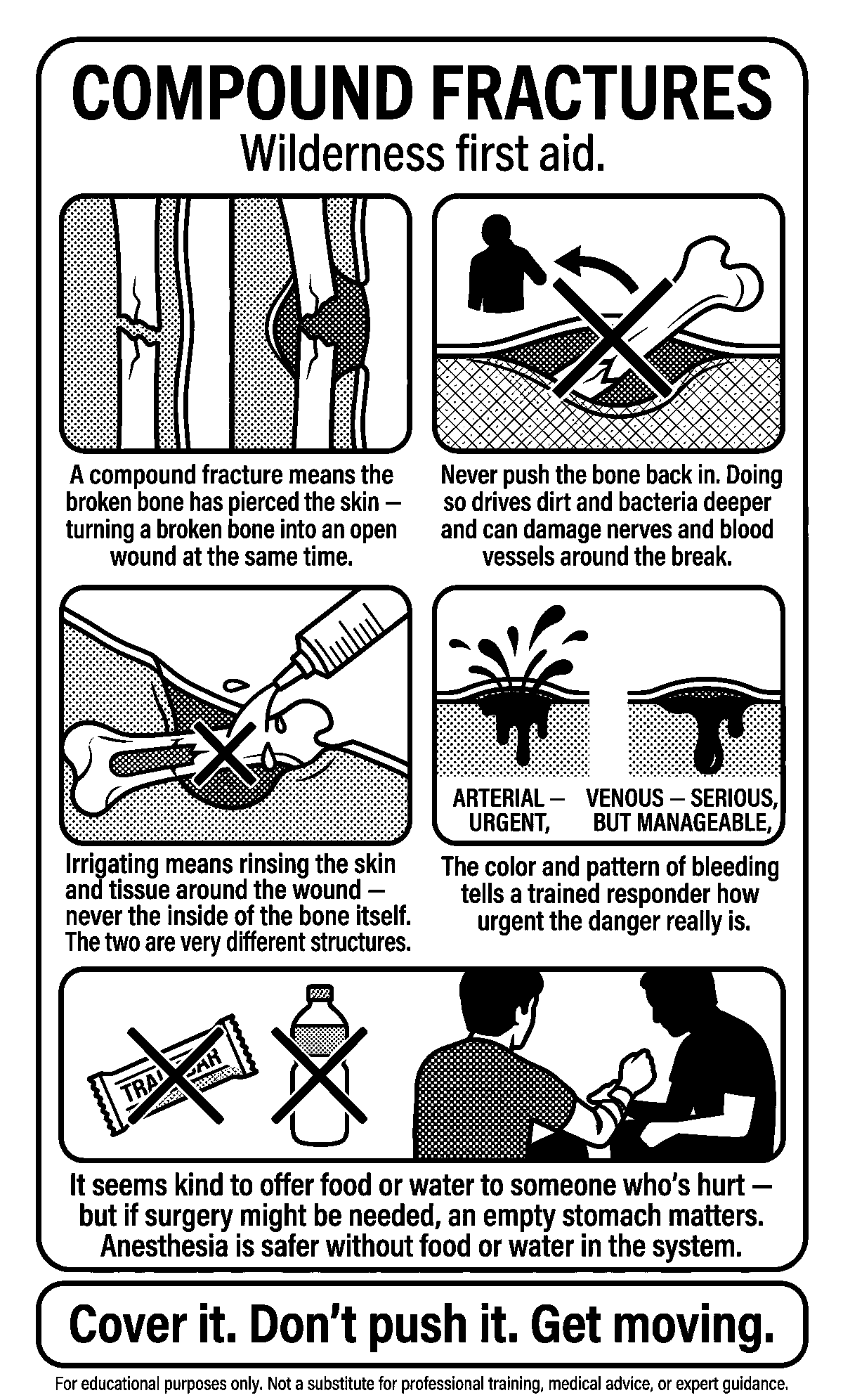
Compound Fractures: A compound fracture means the bone has broken through the skin, and the one rule that never changes is never push it back in. The color and pattern of bleeding tells a trained responder how urgent the danger really is.
The South African Rappel: Going down fast, coming up smart, with the same rope.
Fortitude/Courage: Every culture, across thousands of years, keeps returning to the same idea: the strength to stand firm in fear, for something worth standing for. It isn't the absence of fear. It's what happens after fear arrives.